Déménagement
Bon Avenir inc.
Déménagement
Bon Avenir inc.
A successful move often comes down to small, simple gestures that professional movers know well but rarely explain. At Déménagement Bon Avenir, we see the effects every week: a clearly labeled box, a well-protected mirror, or a screw stored in the right spot can save you hours — and spare you a lot of damage.
Here are 30 brilliant moving tips, tried and tested, to use before, during, and after the big day. Take what’s useful to you: even three or four of these tips will change your day.
A move is the perfect time to sort through your belongings. Get rid of anything you no longer use — clothes, items, whatever it is. That’s always less to move. A good motivator, isn’t it? Here’s a simple, effective way to declutter your home. And once you’ve sorted everything, sell what you no longer want, or give it away.
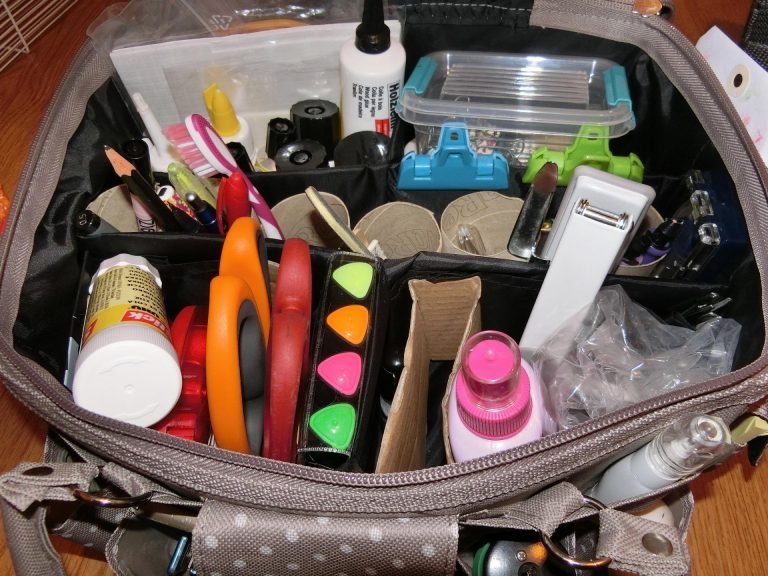
Another moving tip you shouldn’t forget: always keep an emergency kit on hand while you move. A good moving kit typically includes 10 items:
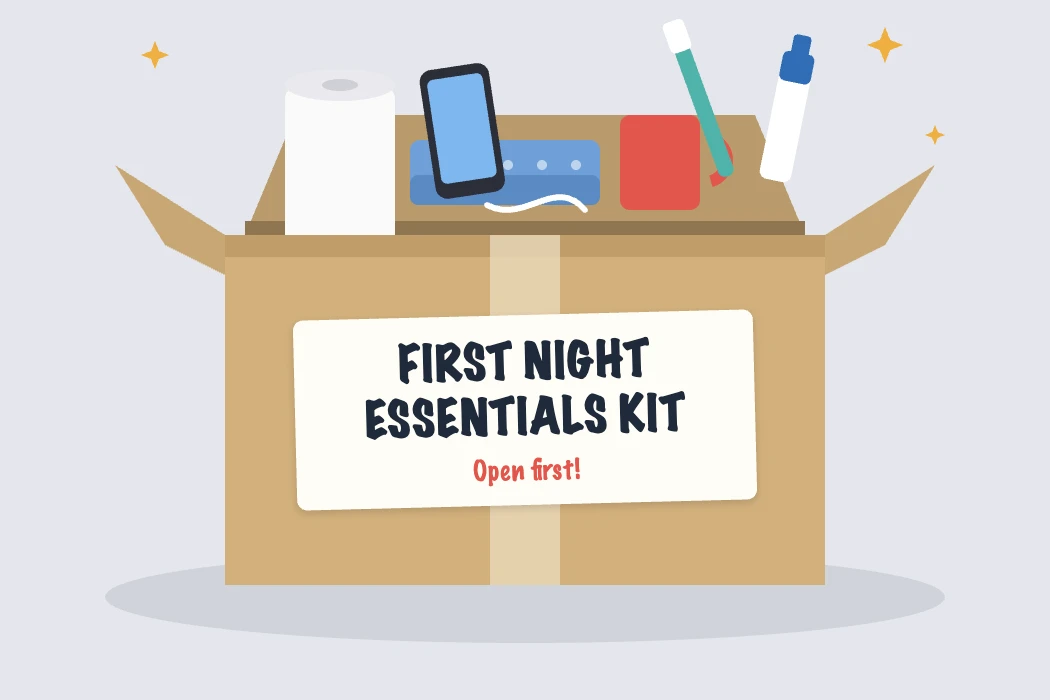
Picture this… You’ve just finished your move. It’s late… you’re exhausted… and now you can’t find your essentials for your first night in your new home. Not fun at all! To avoid this, pack a special box with everything you’ll need for your first night. For example: toilet paper, a first-aid kit, a dish kit (plates, cutlery, glasses, mugs), coffee, tea, your kettle or coffee maker, some medication, a few snacks, pet food, a towel, a full toiletry kit, some clothes… And above all, remember to load this box last so you can pull it out of the car or truck easily.
Need a hand on moving day? Check out our residential moving service.
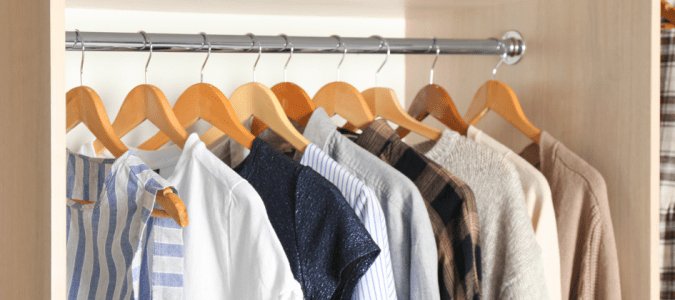
To save time, we recommend leaving your clothes on their hangers. A few 50-litre garbage bags will be enough to protect them.
This moving tip saves you from folding everything to fit it into boxes, and above all, from having to put your clothes back in the closet one by one when you move in.
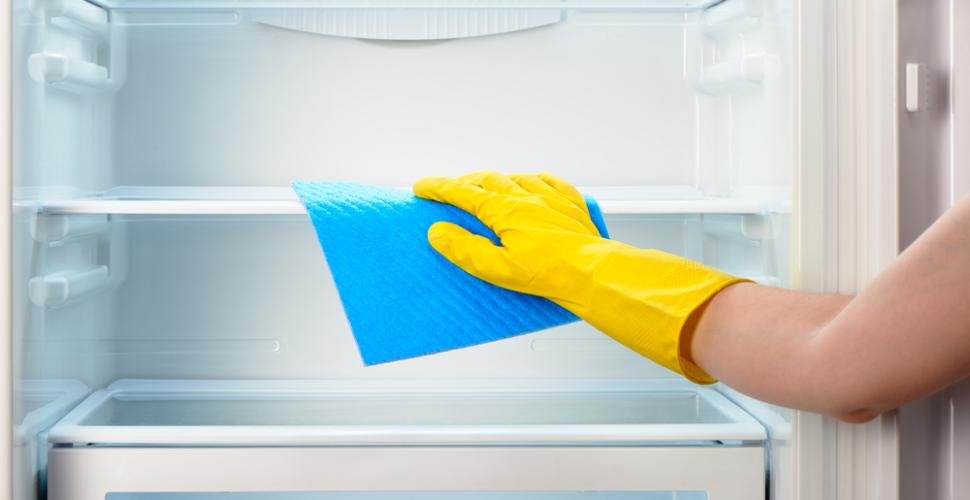
Defrosting your fridge at the last minute is one of the most common moving mistakes. If you don’t want it to leak in the truck during the trip, we recommend taking care of this step at least 24 to 48 hours ahead.
Another one of our moving tips if it’s already too late and you’re doing it at the last minute: use a hair dryer to speed up the defrosting.
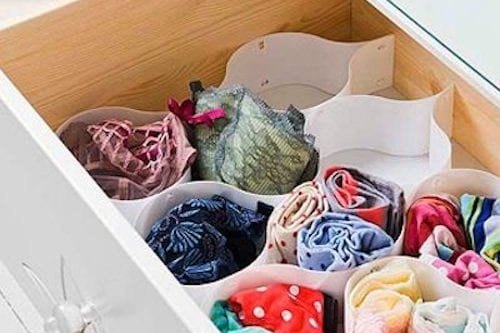
There’s no need to empty drawers with light contents, such as the drawer where you keep your socks or underwear. The contents aren’t heavy enough to get in the way of the move.
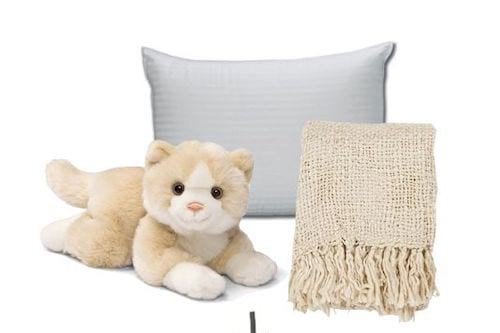
Scarves, blankets, sheets, duvets, comforters, cushions and pillows, stuffed animals and other soft toys… All these soft items aren’t easy to pack. The best solution is to put them all in large garbage bags. It’s convenient because it takes up little space. But that’s not all — these bags full of soft items will wedge nicely into every small gap in the moving truck.
Extra tip: you can keep these bags on hand to wedge fragile items in the truck. Or keep a few soft items handy to slot between fragile pieces (mirrors, etc.).
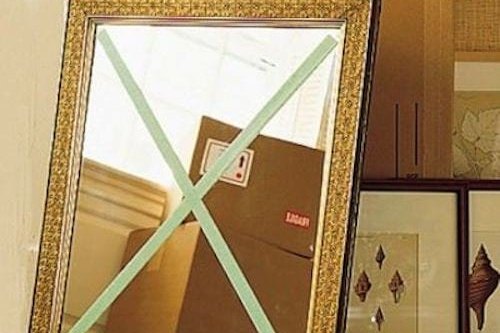
Mirrors are among the most fragile items. Moving them is always a delicate operation. With these tips, you’ll reduce the risk of breakage. Take some adhesive tape and stick two large strips on the mirror to form an X. This reinforces the mirror a little. Then, for extra safety, gently wrap the mirror in a blanket, comforter, duvet, or rug, and in the moving truck, wedge it with cushions or garbage bags full of soft items. This way, bumps will be cushioned and your mirror protected.
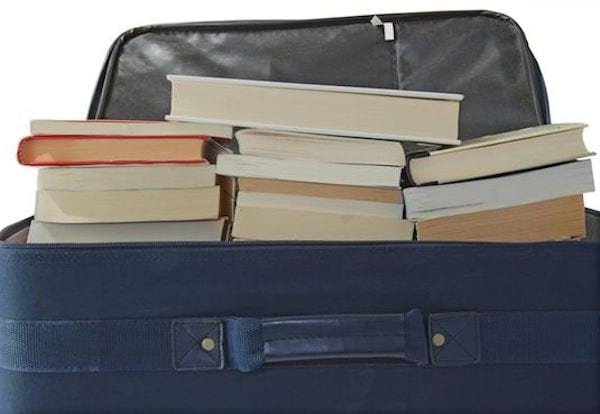
Putting all your books in boxes seems like a good idea… until it’s time to lift the box! Hello, back pain… To avoid this, put your books in a rolling suitcase. Then just pull it along. Of course, this trick works for any heavy item: figurines, stacks of CDs, and more.
If you don’t have a rolling suitcase on hand, you can always pack your books in backpacks instead. Or, as a last option, do a good deed and give your old books away.
For the really heavy pieces — an upright piano, a grand piano, or a pool table — it’s best to leave the transport to a properly equipped crew: see our piano moving service.
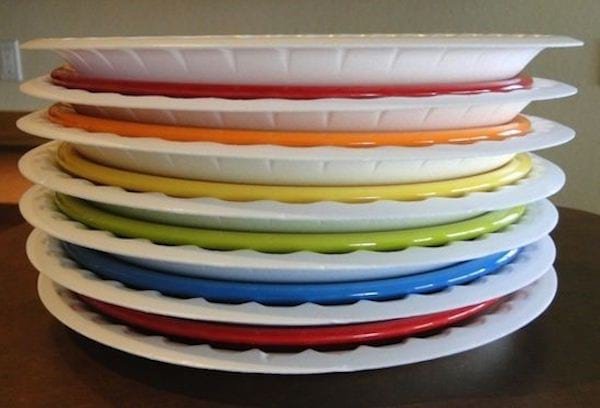
Another one of our moving tips to save time is to skip wrapping your plates in newspaper and instead slip a paper or plastic plate between each one. Simply place one between every plate to protect it: a paper plate between each dish. It’s fast, effective, and takes up no extra space.
With this trick, you can be sure your porcelain plates will arrive in one piece in your new kitchen. Worst case, you can always eat off the paper ones.
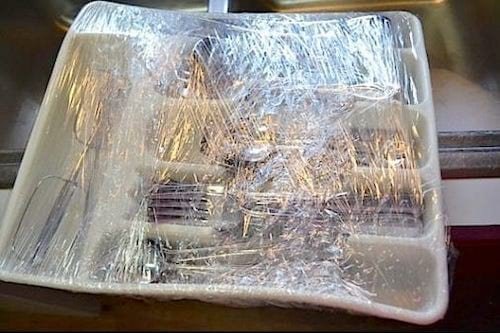
It’s not the most eco-friendly solution… but it’s definitely practical. Some drawers don’t need to be emptied before a move. To keep the contents from spilling out, wrap the drawer in stretch plastic film. This also works for storage bins, to keep their lids firmly shut.
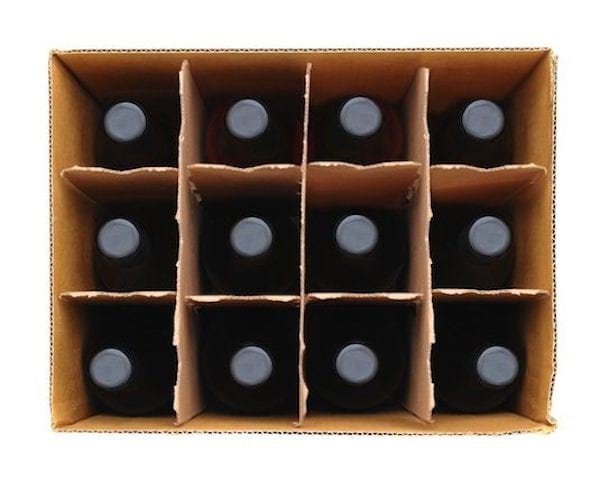
Not sure how to pack your glasses to protect them? No worries! There are simple tricks to keep them from breaking.
Wine bottle boxes are perfect for carrying stemmed glasses by hand without breaking them. They slide easily into the compartments and stay well protected. Very handy for wine glasses, water glasses, or champagne flutes!
To keep glasses from breaking during a move, put them inside socks. There you go — this trick will keep your glasses from breaking during the move. Of course, it works for any type of glass, including stemware.
Short on time to pack everything? Our packing and unpacking service takes care of dishes and fragile items.
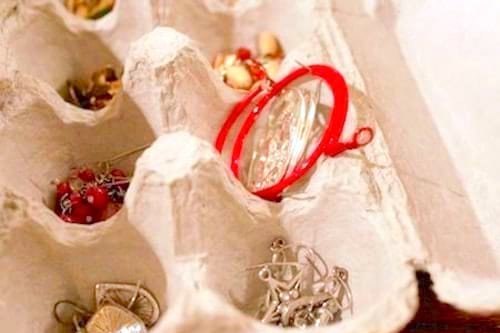
You can be sure your jewelry is going to have an annoying tendency to get tangled during the move. As if that weren’t enough, you might also break or lose pieces… Fortunately, there are simple, inexpensive ways to avoid this disaster. Just grab some egg cartons and use them to hold earrings and rings. Use toilet paper rolls to wind necklaces and bracelets around. In fact, egg cartons are great for organizing jewelry in general — keep that in mind!
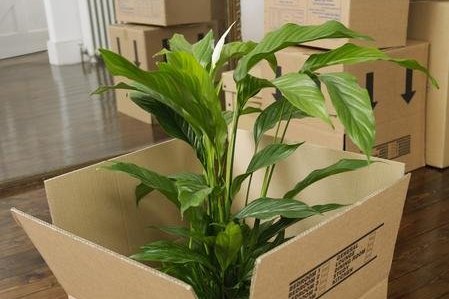
To move your plants without damaging them, we suggest following these three moving tips:
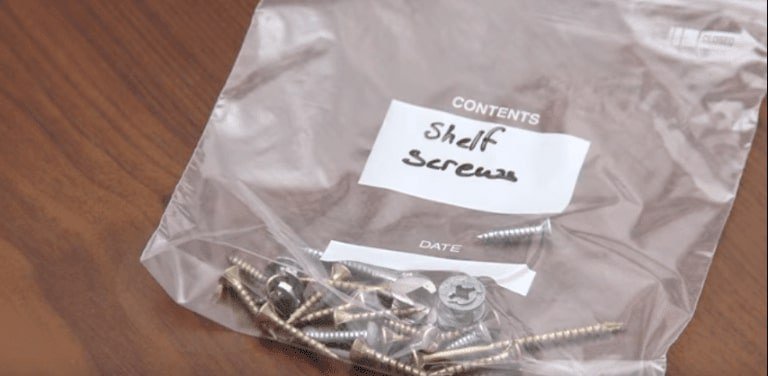
During a move, you’re always bound to disassemble a few pieces of furniture. And it’s easy to lose the screws, bolts, and nuts that go with them. Without them, there’s no putting your furniture back together! And that’s a real headache… So to avoid this problem, put them in a small bag and clearly note what they belong to. Don’t have a small plastic bag handy? No problem. You’re bound to have tape for the move anyway — use it to gather the screws, bolts, and nuts together and keep them from getting lost. And be sure to note what they correspond to.
And if reassembling everything isn’t your thing, our movers take care of it: disassembling and reassembling furniture is included in our hourly rate, with no separate charge. For new furniture, see our furniture assembly service.
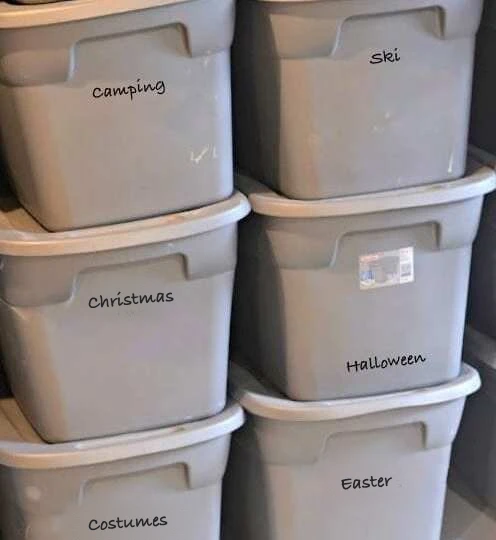
Ski or winter gear, Halloween costumes, Christmas or Easter decorations, camping equipment… Before the move, invest in plastic storage bins with lids. Pack all these once-a-year items straight into them. Label them, and you’re set — stash them directly in the garage or attic once you move into your new home.
If your new place is short on storage, these bins can wait in Bon Cube mobile storage until you’re settled in.
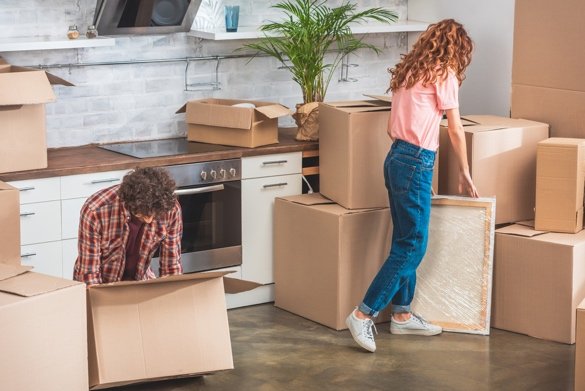
Don’t forget to double up your boxes to protect the most fragile items. This can be necessary if the box is weakened, or if the items are especially heavy.
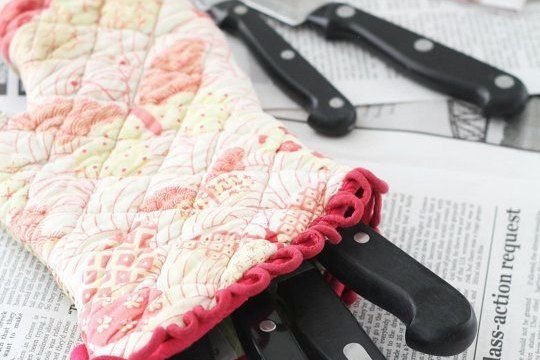
During a move, you should always look for ways to save space. So think about using every bit of space available to you: the inside of shoes, gloves, the drum of the washing machine… For example, you can slip sharp knives into oven mitts. Or tuck socks inside your shoes, or small fragile items too. This saves you both time and space.
Hand trucks, straps, quilted blankets: see the list of moving equipment we bring along on-site.
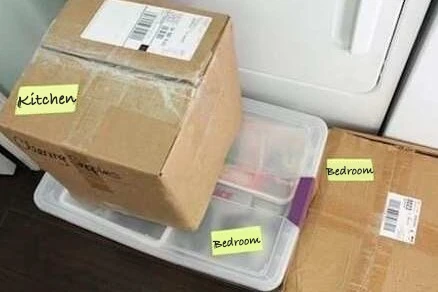
When you arrive at your new house or apartment, you need to be quick and efficient unloading boxes. If you pile all the boxes into the same room, sorting them out afterward will be a real mess. One of the best moving tips out there is to label your boxes so they can go straight into the right room. So mark on the box where it belongs: bathroom, bedroom, kitchen… And to avoid wasting time hunting for the labels, it’s best to use bold, eye-catching stickers.
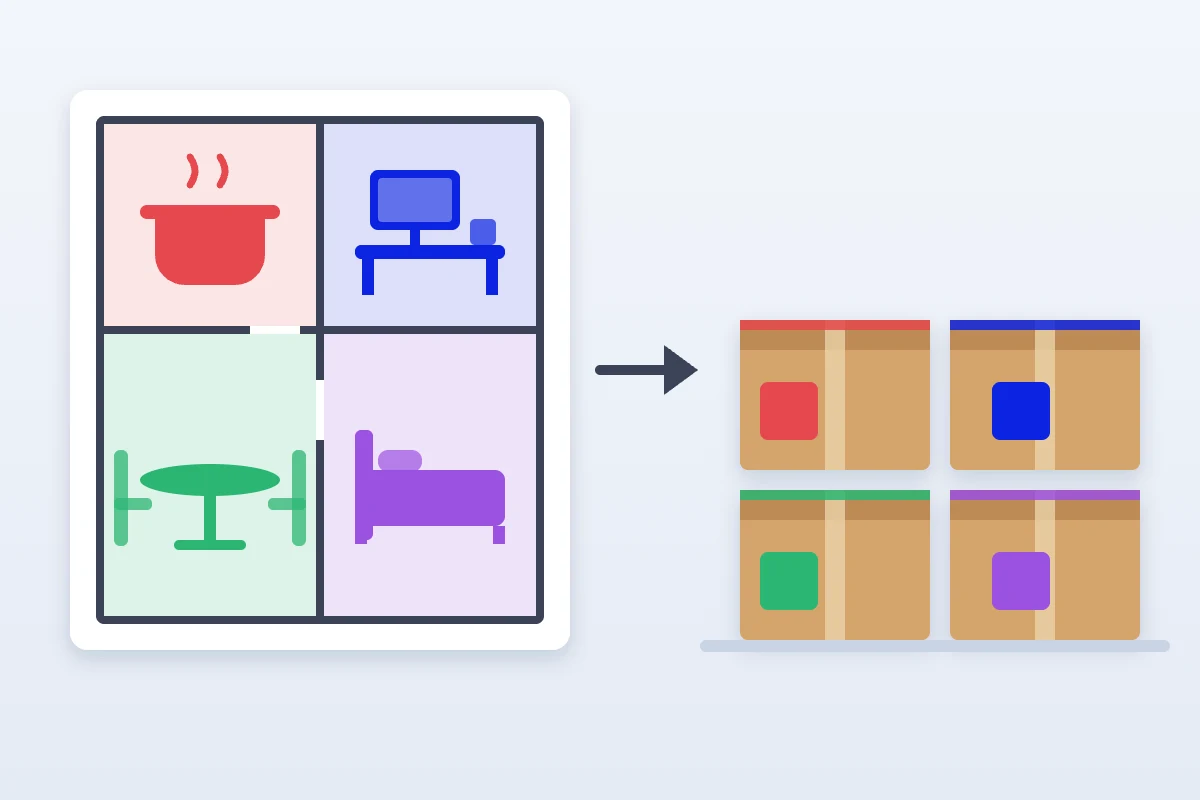
You can also simply use a color code. It’s even simpler. Red for the kitchen, blue for the office, green for the dining room… That way, you’ll know right away where to set your things down when unloading, instead of wandering around trying to find them.
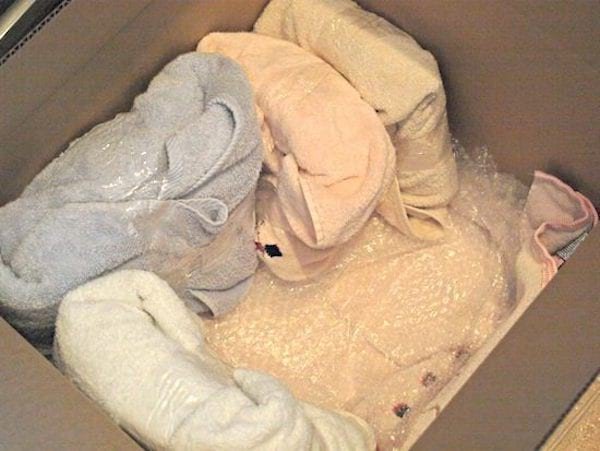
Picture frames, paintings, mirrors, dishes, figurines… Bath towels can be used to protect several fragile items. The icing on the cake: it’s also a handy way to move the towels themselves!
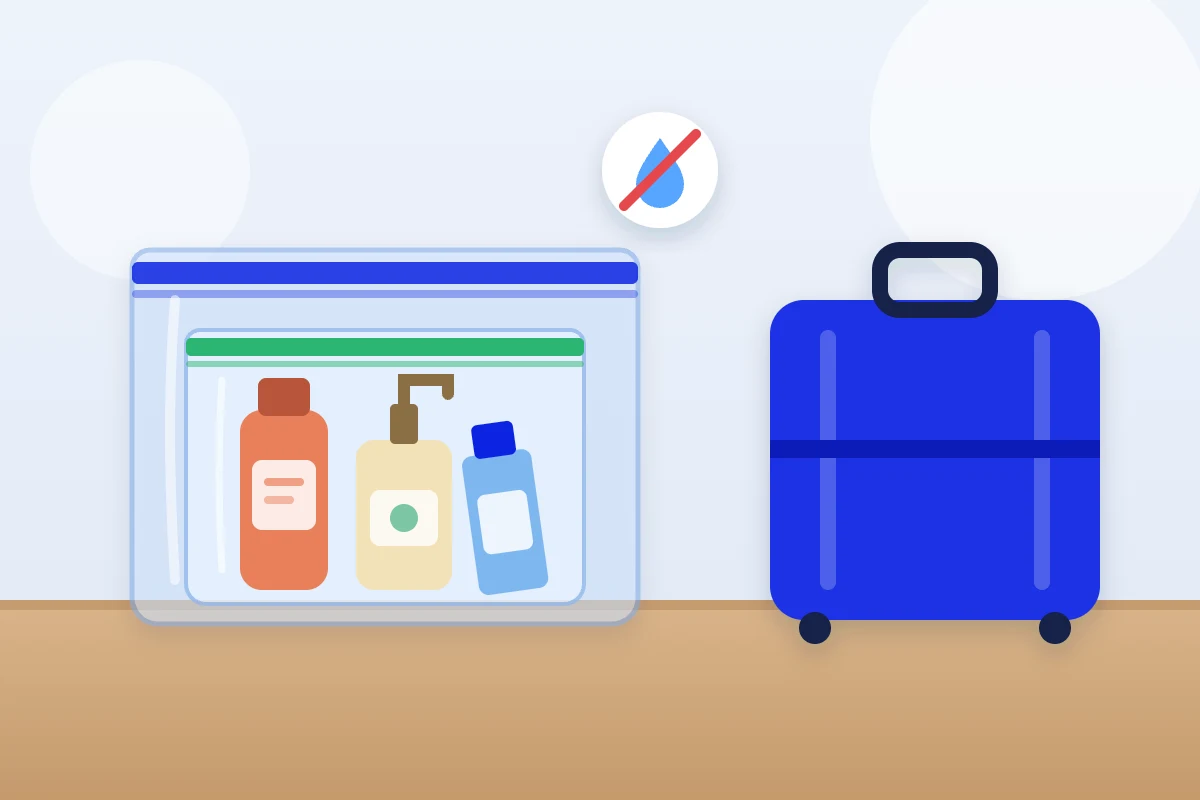
When a gel or cream leaks inside your suitcase, it’s a disaster. To avoid this unpleasant surprise, there’s a simple trick to keep liquids from leaking into your suitcase. All you need is a freezer bag — actually, several! At least 2… Here’s how to make sure nothing ends up everywhere:
And there you go, your toiletries won’t leak into your suitcase 🙂 That way, if a cap pops open, the liquid empties into the bag instead of the whole suitcase. And if that bag tears, there’s another one around it!
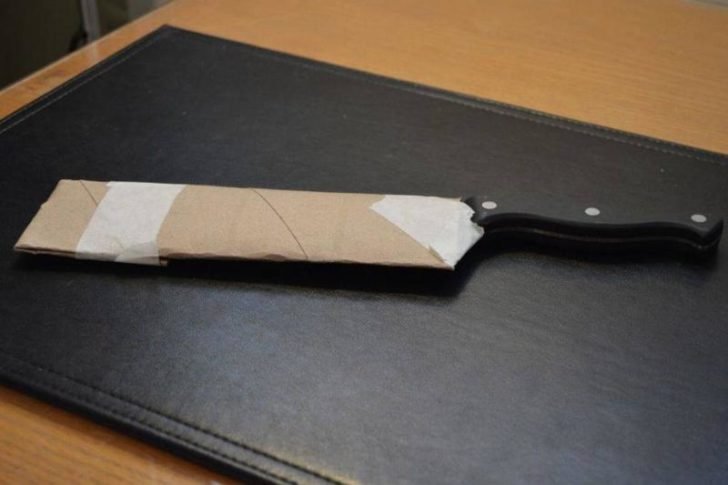
The trick is to protect the knife blade with a simple empty toilet paper roll and an elastic band or tape. Here’s how:
And there you go, now you know how to transport your kitchen knives safely 🙂 Easy, fast, and effective, isn’t it? You can pack them safely in a box. Much better than risking a cut… …or dropping your knife during the move. If you don’t have a toilet paper roll on hand, all isn’t lost! Don’t risk transporting knives unprotected — you can also use newspaper and tape, a delivery box, or even empty cereal boxes.
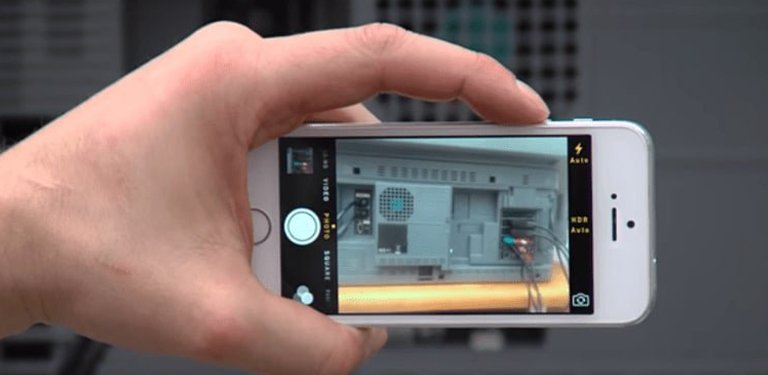
It’s the kind of thing you don’t think about. But reconnecting all your electronics (TV, set-top box, computer…) can turn into a real puzzle! So before unplugging any cables, take photos of how everything is connected. You’ll save precious minutes when it’s time to set everything up again.
Some people end up facing a real brain-teaser trying to reconnect everything in their new home. That’s not the case for those who followed this moving tip.
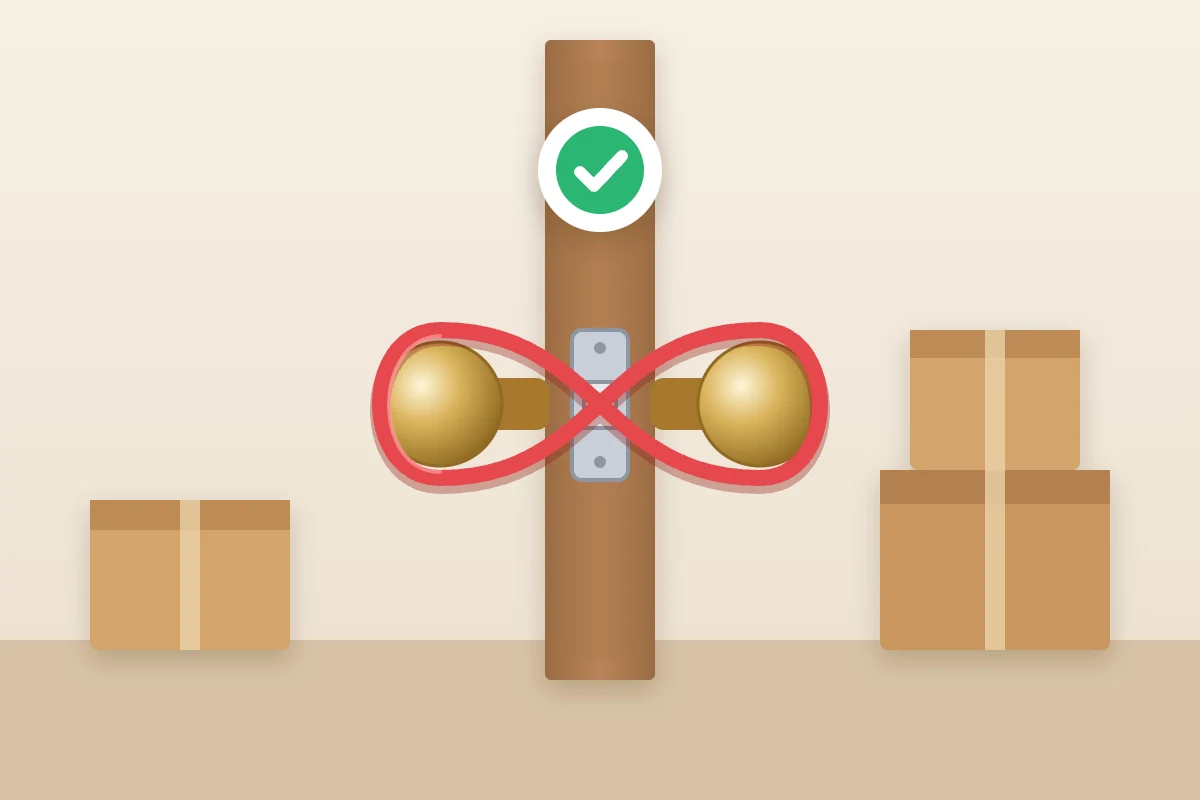
We all know doors that shut themselves during a move. It’s really inconvenient and wastes a lot of time when you’re carrying boxes down… Fortunately, there’s a very simple trick to keep them from closing every time. All you need is an elastic band:
And there you go, your door won’t shut itself anymore 🙂 Really handy when your arms are full of boxes!
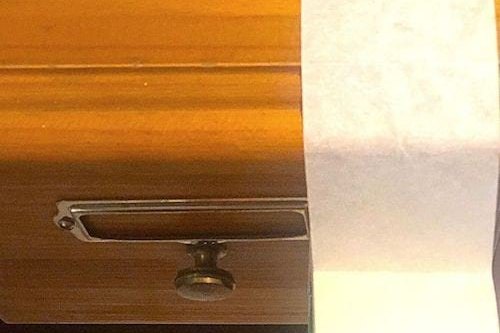
During a move, few people think to tape furniture drawers shut before moving the piece. Yet it turns out to be very useful.
This keeps drawers from sliding open on the stairs, which could make you lose your grip or, worse, cause a bad fall that would put an end to your move.
During a move, there’s always a last-minute bad surprise! To help you avoid that, here’s a list of the five items that often cause trouble during a move:
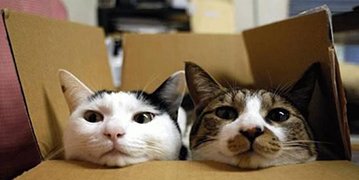
Don’t let your cat or dog wander around while you’re moving furniture and boxes. They could get stressed and/or try to run off. It’s also dangerous, for both you and them, to have them underfoot while you’re carrying bulky items.
Our advice: have a friend or family member watch them on moving day. If that’s not possible, keep them in a room like the bathroom where there isn’t much foot traffic. And don’t forget to leave them food and water while they wait.
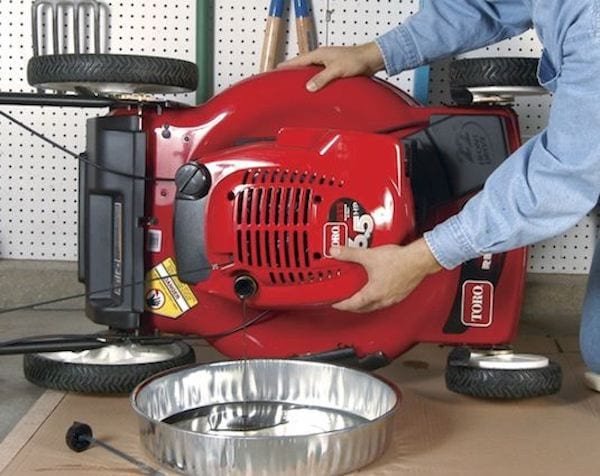
Gas, fuel, and oil are flammable and hazardous substances. If you need to move a lawn mower, remember to empty it first. You wouldn’t want a fuel-filled mower spilling onto your belongings… or worse, catching fire, would you? The same goes for a chainsaw, a brushcutter, or any other gas-powered equipment.
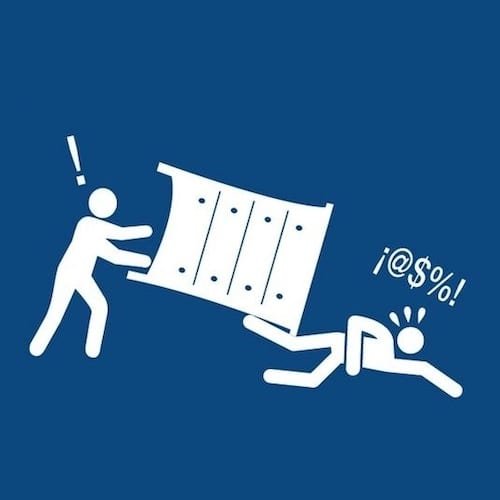
A little humor never hurts. Moving naturally comes with some tension, stress, and frustration. Relax! Put on some good music and dive in with a smile! And don’t forget to take breaks and stay hydrated. In the end, plan a nice moment to share with everyone who helped you out.
These tips will save you time, but they’re no substitute for a crew that loads, transports, and sets your furniture back in place room by room. Déménagement Bon Avenir serves Montreal, the South Shore, Longueuil, and the North Shore, for both residential and commercial moves.
To find out the cost of your project, check out our prices or request a free, no-obligation quote: we set the price before moving day, not after.
More articles in: Moving advice · Moving tips
