Déménagement
Bon Avenir inc.
Déménagement
Bon Avenir inc.
Before packing, sort out items to give away and sell. This will prevent you from carrying old things with you.
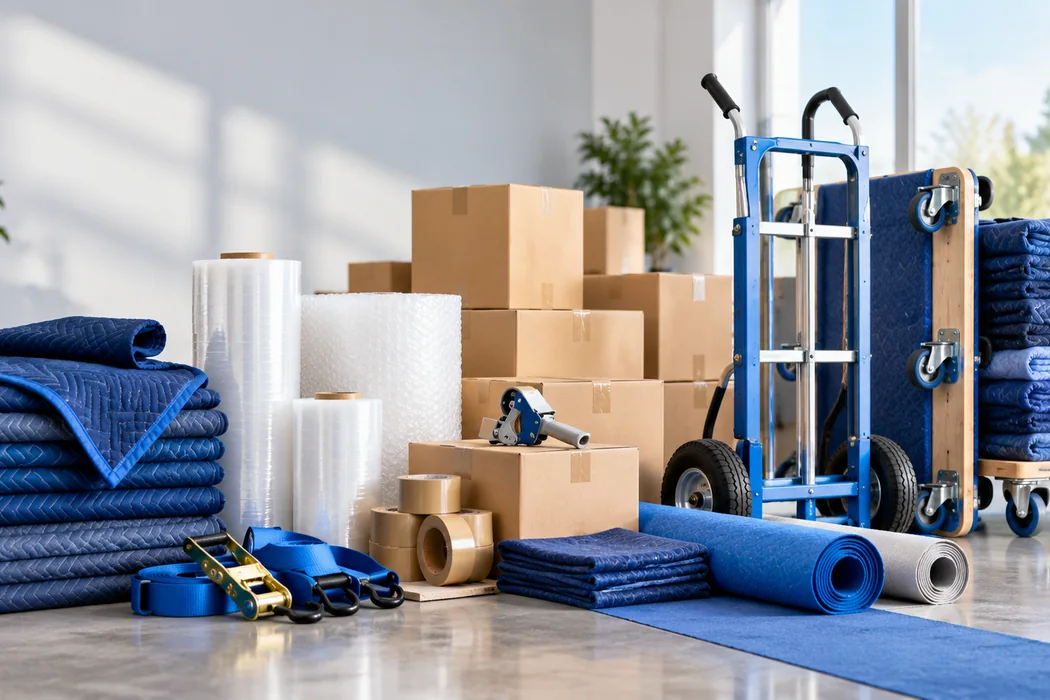
to make sure you have boxes in good condition and corresponding sizes. This will make it easier to stack them and you can store more in the truck. Boxes obtained from the grocery store or other stores are not always clean and often cannot support the weight of the items stored in them. In addition, their unfitting dimensions make loading difficult.
The number of boxes you need depends on the volume of your belongings, the number of people in the household and the size of the boxes you choose. Walk through each room before buying your supplies, and plan a few wardrobe boxes to move clothes on hangers without wrinkling them.
If you personally take care of the packing, pack a few boxes a day and start several weeks before the move.
You will need several tools that will allow you to quickly assemble and disassemble pieces.
Avoid having to search for essential items. For example, when disassembling furniture, avoid putting screws and other small items in some random place. A simple trick is to place each small piece of a piece of furniture (screws, hinges, handles, etc.) in a bag, and then reassemble them to the pieces of furniture in question. These little pieces will be extremely important when the time comes. A simple trick, yet the most effective!
and start off from one corner at a time. It is best not to mix items from different components in one single box.
such as decorative items: records, books, stuffed animals, and save the most important objects like everyday kitchen or bathroom items to pack lastly.
For example, avoid putting lots of books in one corner of a large box and stuffed animals on the other.
to prevent them from collapsing when stacked upon another box.
Seal the bottom of each box with two or three strips of packing tape. A box that bulges or does not close flat becomes weaker once stacked: remove a few items or choose a larger size.
(books, etc.) and medium-sized ones for lighter effects like pillows, blankets and stuffed animals. Aim for the maximum weight of 15 to 20 kg for each box.
red = kitchen, blue = bathroom… Nothing stops you from writing the name of the room on the box, either. The movers will then have the opportunity to choose the moving system which suits them best: by identifying by the color or the name of the room they belong in.
Also write “Fragile” and a “This side up” arrow on two sides of the box, not only on top: once boxes are stacked, only the sides remain visible.
The more you fill the unused spaces with flexible loads, the more safely immobilized your items will be.
Do a simple test: once closed, the box should not rattle when you shake it gently. Towels, dish towels and soft clothing can replace part of the paper.
To reduce breakage risks, store your plates vertically in the boxes. However, do not forget to protect your plates, for the sake of minimizing the risks as much as possible.
Wrap each plate separately, put a layer of crumpled paper at the bottom of the box and use small boxes with dividers for glasses and cups.
Regular newspaper is messy and can stain your items.
Instead of folding your clothes, you should roll them into a cylindric tube(not into a ball!). They will be in much better condition than folded.
Before packing medication and health care products, make sure their caps are safely closed.
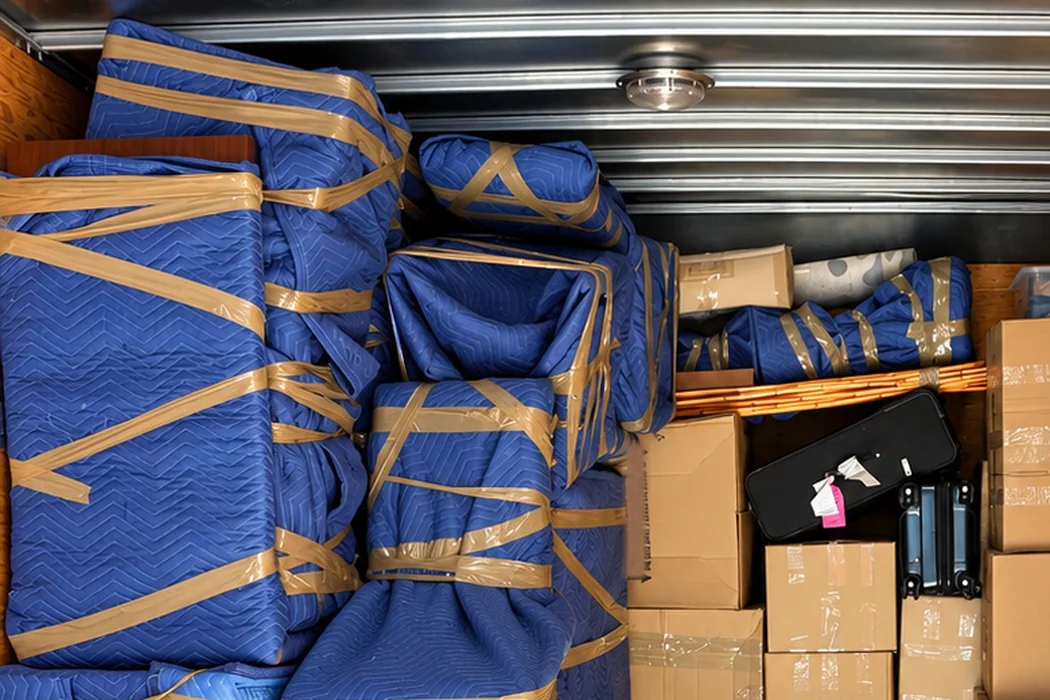
For a TV, the original box is best; otherwise, wrap it in a moving blanket and carry it upright. On moving day, our movers also protect furniture with blankets and stretch wrap and use hand trucks and dollies: see our moving equipment.
you will need as soon as you enter your new home, for the first night, the next day, the first week: pajamas, bedding, toiletries, dish towels and rags, detergent, some utensils, cardboard plates and plastic glasses… Above all, carry them with you in your car to make sure they don’t get lost under a pile of big boxes at the back of the last room!
If you do not have time to unpack your boxes quickly, this system will allow you to easily find the objects you are looking for at your destination.
Hazardous materials, such as flammable products, varnishes and thinners, gasoline, kerosene and oil, liquefied gas, aerosols, nail polish and solvents, ammunition and explosives, corrosives and detergents, are examples of items that cannot be used.
If you are short on time, our packing and unpacking service can take care of all or part of your boxes, with the right materials. For a complete move, see our residential moving page; for a single piece of furniture or an appliance, our furniture and appliance delivery service. You will find more ideas in our 10 tips to follow to survive your move, and you can request your free quote at any time.
It depends on the volume of your belongings, the number of people in the household and the size of the boxes: books, dishes and clothes take the most. Take inventory room by room and plan a few extra boxes so you do not run out the day before the move.
Aim for 15 to 20 kg (about 35 to 45 lb) per box. Put heavy items, such as books, in small boxes and light items, such as pillows, in large ones: one person should be able to lift a box without excessive effort.
Wrap each piece separately in unprinted paper, place plates vertically, put glasses in a box with dividers and fill any empty space. Write “Fragile” and “This side up” on the sides of the box.
Yes. With our packing and unpacking service, our movers pack your items with the appropriate materials. When you request your free quote, specify the rooms or items you want packed.
Have a good move and good luck!
